A new era for access control
The way we unlock doors is changing.
Keys, fobs, cards and clunky access apps have been part of daily life for decades, but a new global standard could make secure entry smarter and simpler. The Connectivity Standards Alliance has announced the release of Aliro 1.0, a new access control specification designed to create a unified way for people to use digital credentials across homes, workplaces, hotels, universities, apartment buildings and more.
At its core Aliro aims to make digital keys work more like contactless payments. Instead of juggling different apps, cards or proprietary systems, users could access approved doors and entry points using their pre-existing smartphone or wearable.
What is Aliro 1.0?
Aliro 1.0 is a new communication protocol and credential standard for access control. It has been created to help devices and security systems speak the same language.
Why? Because today’s access control market is often fragmented.
One building may use a card. Another may need an app. A smart lock may only work properly with certain phone brands. A workplace system may rely on a specific manufacturer’s hardware.
Aliro is designed to reduce that complexity.
The goal is simple: make secure access easier for users, simpler for installers and more consistent for manufacturers.
Why Aliro matters
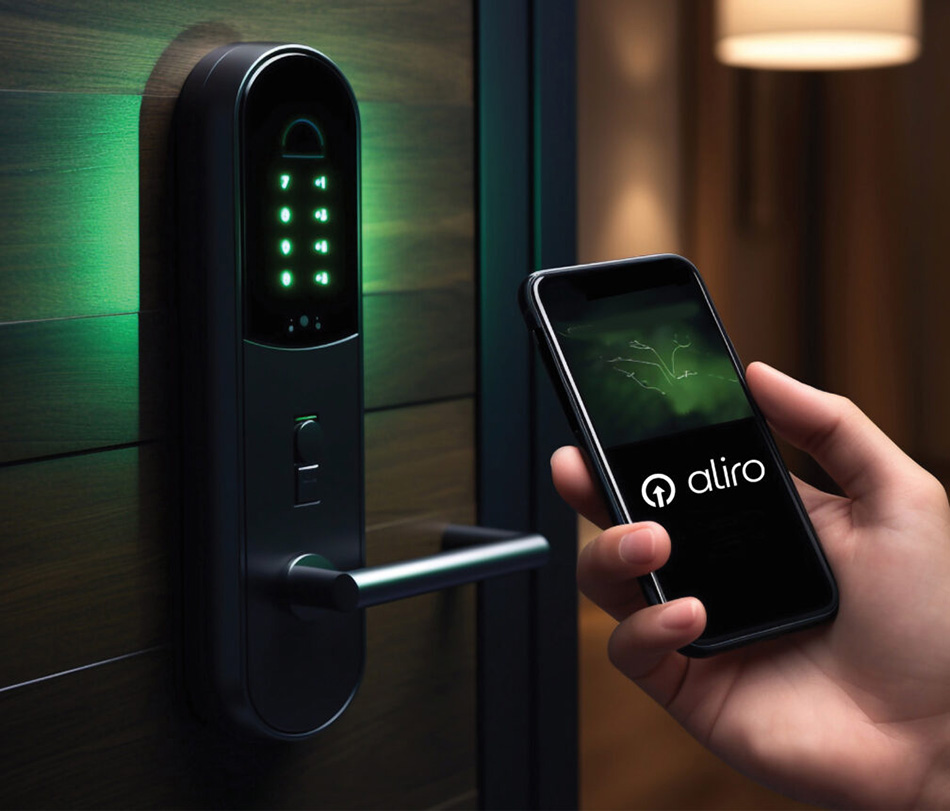
For years, digital access has promised convenience. But in reality, the experience has often been inconsistent. Users may need different credentials for different places, while building owners and installers have had to manage systems that do not always work neatly together.
Aliro 1.0 is designed to change that by creating a shared standard for digital keys and access readers.
It also gives manufacturers a clearer framework to build around. Brands that want to offer Aliro-certified products will need to follow the specification, helping create a more reliable and interoperable ecosystem.
Backed by major technology names
One of the biggest reasons Aliro is attracting attention is the support behind it.
The standard has been developed through the Connectivity Standards Alliance, the organisation also known for Matter, the smart home standard. Aliro brings together major players from across technology, mobile wallets, access control, locks, silicon and security.
The announcement highlights involvement from companies including Apple, Google, Samsung, ASSA ABLOY, Allegion, HID, Kwikset, Nuki, NXP, STMicroelectronics and others.
That broad industry backing is important because access control only becomes truly useful when the ecosystem works together. A standard is only powerful if manufacturers, platforms and security providers build around it.
Aliro is that common foundation.
How will Aliro work for everyday users?
For users, the experience should feel familiar.
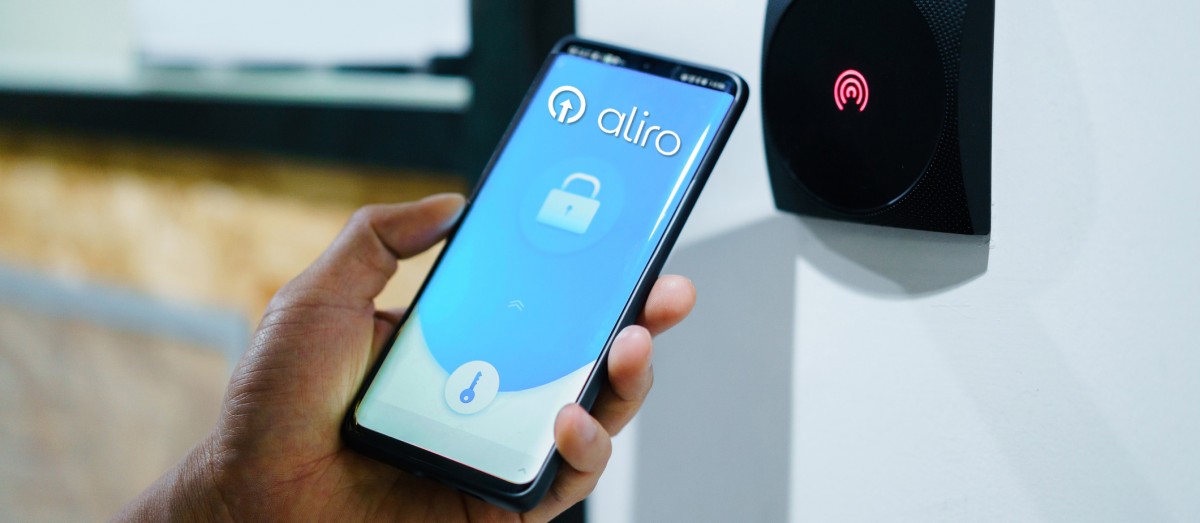
Think about tapping your phone to pay at a shop, Aliro is aiming for a similar level of simplicity, but for secure access. Depending on the device and installation, users may be able to:
- Tap a phone or wearable to unlock a door using NFC
- Use Bluetooth Low Energy for longer-range access
- Benefit from hands-free unlocking through Bluetooth LE and Ultra-Wideband technology
- Access approved doors even in places with limited network coverage, such as underground car parks or lifts
The key point is that Aliro is not only about smart home locks, it has been designed for a much wider range of access control environments.
Better security without making life harder
Security is at the heart of Aliro 1.0.
The specification uses asymmetric cryptography, a modern security approach that helps devices and readers verify each other in a trusted way. For non-technical users, the benefit is straightforward: access can be made more secure without making the experience more complicated.
That balance is important. Security systems only work well when people actually use them properly, if access is slow, confusing or unreliable, users find workarounds. Aliro is designed to make secure access feel natural.
What Aliro means for manufacturers
For manufacturers, Aliro 1.0 provides a shared rulebook.
Rather than building isolated systems that only work with selected platforms or partners, manufacturers can work toward a recognised interoperability standard. This should help reduce integration challenges and give customers more confidence that devices will work across a broader ecosystem.
Aliro certification will also give the market a clearer way to identify products that meet the standard. Becoming a major differentiator as more organisations look for future-ready access control systems.
What Aliro means for installers and building owners
For installers, integrators and facilities teams, Aliro could help reduce one of the biggest headaches in access control; compatibility.
When systems from different providers do not work together, installation, troubleshooting and long-term maintenance become more difficult. A unified standard can help make mixed environments easier to manage.
For building owners, this could mean more flexibility. Instead of being locked into one supplier forever, they may have more choice when selecting hardware, software, readers and credential systems. This flexibility is especially valuable for commercial buildings, apartment blocks, hotels, universities and large estates where access needs change over time.
Will Aliro replace keys and access cards?
Not overnight.
Physical keys, cards and fobs will not disappear immediately. Many buildings still rely on existing infrastructure, and adoption of any new standard takes time. However, Aliro 1.0 marks a clear shift toward mobile-first access control.
As manufacturers begin releasing Aliro-certified products, digital keys could become much more common in everyday life.
The likely future is not an instant replacement, but a gradual transition: fewer plastic cards, fewer separate apps, fewer compatibility issues and more access credentials living securely inside phones and wearables.
A turning point for smart locks and access control
Aliro 1.0 is more than another smart lock update. It is a step toward a more connected access control ecosystem where convenience, security and interoperability are built into the standard from the start.
- For consumers, it could mean unlocking doors with less friction.
- For businesses, it could mean easier management and stronger security.
- For manufacturers, it creates a common path forward.
And for the wider access control industry, Aliro may become one of the most important developments in the move from traditional credentials to secure digital access.
The key to the future may no longer be a key at all. It may already be in your pocket.
Find out more
Let the CIE system design team help with your next access control project
For more information contact CIE-Group today and enhance your organisation’s infrastructure; please call the team on T. 0115 9770075 or email [email protected]