


How to design an audio system
What are the first things to consider when designing an audio system?
When you are building an audio system, commercial audio or a live audio event system, you need to make sure you look at your specifications.
First things you need to do are check your microphones match up with the mixer for the applications that you need. As well as making sure the amplifiers are going to provide enough power to drive the speakers you need (so that you are not going to be pushing them to 11). You also want to look at what equipment is going to be right for the application, you can tell for most of these things by looking at the specifications.
What are the key things to consider for a successful audio system design?
- Number of rooms that need coverage
- Size of each room and the materials in the room for the accoustics
- Ambient noise levels
- What input sources you will be using e.g. microphones
- How you want to control the audio system
How does the design of a commercial audio system differ to that of a home entertainment system?
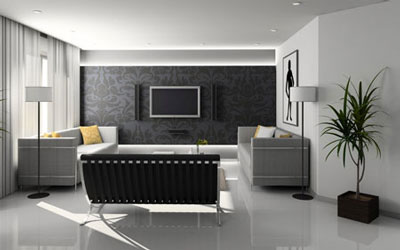
When you’re thinking about your home, usually you are thinking about home theatre. In which you have a perfect eye level screen to your sofa, you have speakers that are set up just at the right spot to hit your ears at the sofa area. This surrounds you and gives you a feeling of being immersed into the entertainment experience. A lot of times people will specify a commercial audio system like that – e.g. a CEO has a new home theatre and he wants that experience in his boardroom, he wants his presentations to have the same wow that he gets from his surround sound system at home. An AV integrator’s job is to educate their clients as to the differences between the systems and the things that make that immersion so specific. Do we need surround sound for your power point presentation and is it going to be that important?
What are the 4 main parts of a commercial sound system?
- Audio sources – such as microphones, music players, cable TV boxes etc.
- Amplifier – you must have atleast 1 amplifier to power the speakers.
- Volume Controls – you can have one control for the volume overall or several seperate controls for each zone/room.
- Speakers – their are various speaker types, you must use the right type of speaker to suit the environment the audio system is being installed in.
What speakers do I use?
The type of speaker you use depends on the environment you are installing the speakers into. Here are a few examples of basic speaker types and where to use them:
These speakers are installed into holes either cut into ceiling tiles or drywall. The only visible parts of the speaker you see when these are installed are the grilles. This type of speaker is best in rooms with ceiling heights of 8′ or 12′.
These attach to a mount which is then screwed into a wall or ceiling. This is great for stone walls or exposed brick walls that cannot have in wall speakers installed. Surface mount speakers are usually weather proof this makes them great for outdoor seating areas.
These speakers hang from above and project sound below in a cone shape. This speaker type has a consistent volume level for the seated in big roms with high ceilings.
Why do I need to consider the size and acoustics of the environment?
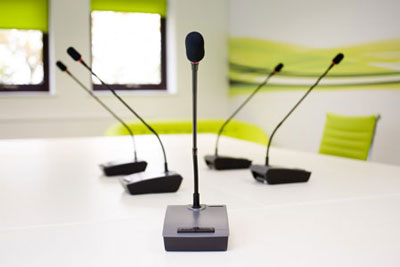
If your room is big, the physics of your room means someone isn’t going to be able to hear the front if we have different channels. This is something we have to take into consideration.
Sound is very fluid, when you are working with that fluidity and different rooms, there are different things in every room that soak up sound and reflect it. You can have the same sound system in a room that has for example more glass or tiled floor or a bigger table area etc. It’s a completely different experience in other environments; you get different reflections and interactions between the sound waves. If the room has the same dimensions, height, width and length it can give you a couple of inherent things. However everything in that room reacts with the sound wave. Sound is energy and the more energy you put in, the more reflections and interaction you get. Having microphones in a board room for example – “I like them on the table, I want it close to someone’s mouth, I don’t want it on the ceiling near the aircon or next to a buzzing light.” Using the physics of the room; you want to lower those microphones as much as possible to get as close to the mouth as possible. Those measurements can all be found in the specifications as to what that microphone will do with that certain sound pressure level.
Should I speak to the manufacturers?
The manufacturers have some great experts who are there to help you and not simply just sell you a product. The manufacturers will tell you what the specifications mean. As well as where to look at what specifications for what type of quality you are looking for from a piece of equipment. For example loudness of a speaker, efficiency of a speaker or clarity from a speaker lots of different things.
Read more…
