


What is an IP Rating?
How do IP Ratings work?
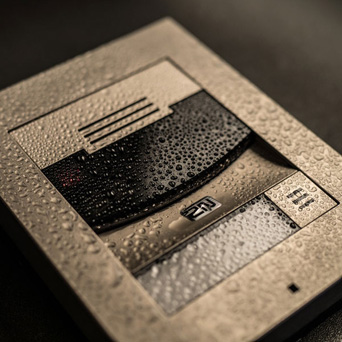
AV technology is now being used in more demanding applications such as outdoor environments, clean room areas (e.g. medical and food processing) and harsh and hostile environments (e.g. offshore or military settings). To ensure technology systems remain robust and function perfectly in these demanding environments, specific products are designed, modified or placed in protective housing with high protection ratings. These products are measured against the international standards known as Ingress Protection Ratings (IP Ratings).
IP Ratings are used to define how well protected an electrical and mechanical enclosure is against the intrusion of water and foreign bodies (e.g. dirt, dust, moisture and interfering fingers). It is defined in the international standards known as IEC60529 or EN60529. There is also a similar system used for the same purpose in North America called NEMA (National Electrical Manufacturers Association). An official IP Rating provides much more detailed information than generic and often vague product description such as a product being described as waterproof or dustproof.
How to interpret the IP Rating of a product?
The IP Rating on a device or enclosure would normally be displayed as the letters IP followed by two numbers such as 54 creating a display code of IP54, for example.
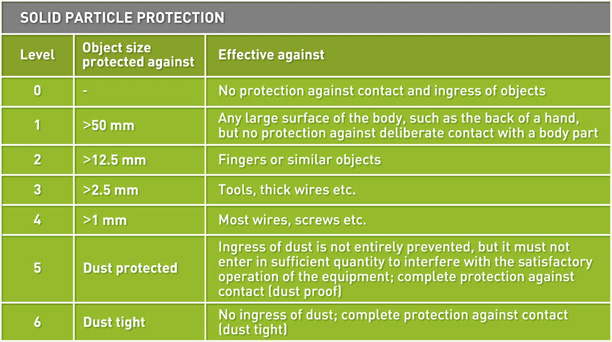
Solid particle protection:
The first digit in the IP code indicates the protection against foreign bodies. This includes any solid object and can vary in size from something the size of your hand through to the smallest dust particles. This digit ranges from 0 (no protection from foreign bodies) to 6 (dust tight). The example IP Rating IP54 indicates solid particle protection 5; this means the product is dust protected.
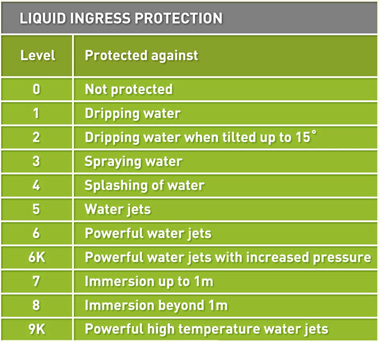
Liquid ingress protection:
The second digit shows water ingressprotection, this ranges from 0 (not protected) to 9K (protected against powerful high temperature water jets). The example IP Rating IP54 has a code of 4; this means it is protectedagainst water splashing from any direction.
Additional digits:
The majority of the products used in the AV industry only display 2 digits. However, there are another two more characters that can be added to the code, these represent additional levels of protection. The additional two digits demonstrate protection against access of hazardous parts with codes ranging from A to D; the final digit provides additional information relating to the protection of the device.
Selecting the most suitable product to the environment it will be used in requires careful thought to ensure the system is reliable and a longer lasting product. Be aware that official IP testing of individual products comes at a cost for the manufacturer. Some cheap products may claim to be waterproof or dustproof without being fully tested against international standards. To be certain of the protection rating of the product contact the reseller or manufacturer and they can provide the products certified IP Rating.
Got a question for the HowToAV team?..
HowToAV.tv provides a whole host of tips, tricks and technology know-how for the professional audio visual industry.
Subscribe to our YouTube channel now at howtoav.tv for all the latest video casts or send us your questions to [email protected]
