


What is a ‘kettle lead’? (or ‘IEC cable’ to give it it’s correct title!)
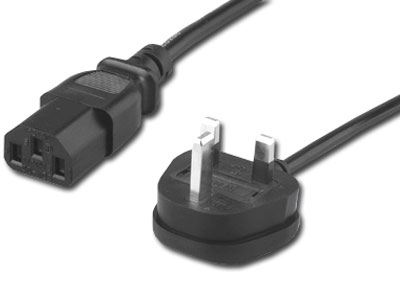
IEC cables and leads are integral components in the realm of electrical and electronic devices, ensuring standardised and safe connections across a multitude of electrical devices. Established by the International Electrotechnical Commission (IEC), these cables are designed to promote uniformity and compatibility globally.
Understanding IEC Cables
An IEC power cable is an electrical wire that adheres to international standards set by the IEC, aiming to bring about uniformity among various appliances and regions. This standardisation is particularly beneficial in global markets, ensuring that devices can be connected safely and efficiently regardless of geographical location. The most common examples of these cables include those with C13 to C14 connectors, which are prevalent in many computer peripherals such as monitors and printers. These cables are designed to minimise electrical hazards while providing a stable connection suitable for both consumer and industrial purposes.
Types and Varieties of IEC Cables
IEC cables come in various types and configurations to meet specific technical requirements and applications. Here are some common ones:
- IEC C13 to C14: Commonly used for computer monitors, desktop computers, and printers. They have a current rating of 10A and a voltage rating of 250V.
- IEC C15 to C16: Suitable for higher-temperature environments like kettles or central heating pumps, with a temperature limit of up to 120°C. They support a maximum current of 10A and a voltage of 250V.
- IEC C19 to C20: Used in high-power machines like servers or data center equipment, supporting currents up to 16A and voltages up to 250V.
- IEC C5 to C6: Also known as “cloverleaf” connectors, these cables connect laptops and some projectors, with a current rating of about 2.5A and voltage up to 250V.
Each IEC cable variation serves specific purposes but complies with global safety standards, ensuring safe connections across various applications.
Common uses of IEC Power Cables
IEC power cords are widely used in both consumer and industrial fields due to their uniform design and reliability. Common applications include:
- Computers and IT Equipment: IEC C13 to C14 cords are commonly used to power desktop computers, monitors, and printers, ensuring consistent connections and reducing the risk of electrical accidents.
- Household Appliances: IEC C15 to C16 cables are designed for heat-resistant home appliances like kettles, space heaters, and central heating pumps, capable of withstanding higher temperatures.
- Data Centers & Servers: IEC C19 to C20 cables are vital components in data centers and server rooms, powering high-current devices such as servers and network switches, meeting the increased electrical demands of critical infrastructures.
These standard interfaces ensure efficient power provision across different electronic appliances while maintaining performance and safety.
Choosing the right IEC Power Cable
Selecting the appropriate IEC power cable is crucial for safety and compatibility. Consider the following factors:
- Type of Cable and Connectors: Ensure the cable type and connectors match your device(s) and power source(s). For instance, C13 to C14 connectors are common for computing equipment, while C19 to C20 are used for high-current devices in data centers.
- Current and Voltage Ratings: Verify the cable’s current (amperage) and voltage ratings to ensure they can handle the electrical load. Overloading can lead to overheating or electrical failures.
- Temperature Rating: For devices that generate significant heat, such as kettles or certain networking equipment, select cables with higher temperature ratings, like the C15 connector, which can withstand up to 120°C.
By carefully considering these factors, you can select the most suitable IEC power cable for your needs, ensuring optimal performance and safety.
Proper Use and Maintenance of IEC Cables
To ensure longevity and safety:
- Connection: Firmly insert connectors to prevent loose connections, which can lead to electrical hazards.
- Avoid Overloading: Do not exceed the cable’s specified current and voltage ratings.
- Regular Inspection: Periodically check for signs of wear or damage, such as fraying or exposed wires, and replace cables as necessary.
- Storage: Store cables in a cool, dry place, coiled loosely to prevent kinks or internal wire damage.
Adhering to these practices will help maintain the integrity and functionality of your IEC cables.

